📞  — free, 24/7
— free, 24/7 — free, 24/7| Package | Price per Dose | Price | |
|---|---|---|---|
| 6 tubes | €15.13 | €90.79 | |
| 4 tubes | €18.92 | €75.65 | |
| 2 tubes | €31.02 | €62.03 | |
| 6 tubes | €15.89 | €95.33 | |
| 4 tubes | €20.81 | €83.22 | |
| 2 tubes | €34.81 | €69.60 | |
| 6 tubes | €18.16 | €108.95 | |
| 4 tubes | €23.46 | €93.81 | |
| 2 tubes | €37.83 | €75.65 |
Could clearer skin and a slower progression of sun-related aging be achievable with a targeted topical treatment?
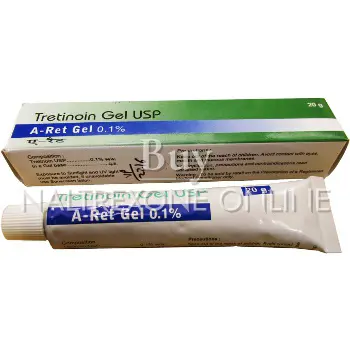
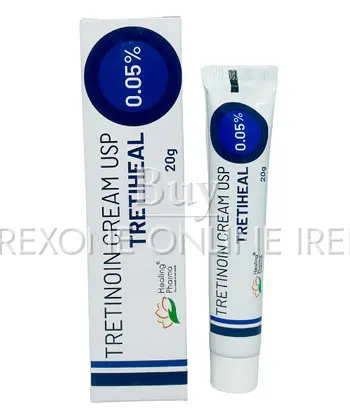
Renova is a brand name for tretinoin, a topical retinoid used on the skin. It is prescribed for specific acne conditions and for visible signs of photoaging such as fine lines and rough texture.
As a retinoid, renova modulates the growth and differentiation of skin cells. This alters how cells in the outer skin layer (the epidermis) keratinize and shed, helping to improve pore flow and skin texture over time. Its effects may extend to collagen formation in the deeper layers of the skin, contributing to long‑term improvement.
In the Republic of Ireland, the availability of renova can depend on local rules and medical assessment. This information page is provided to support discussions with a pharmacist or doctor; it does not replace professional guidance.
Renova has a role in managing acne vulgaris and selected signs of sun-damaged skin. In acne, it is often used as part of a broader plan that may include cleansing regimens, moisturisers, and other medicines. For photoaging, it aims to improve fine wrinkles, roughness, and mottled skin texture.
Doctors choose between renova and alternatives based on several factors. Severity of the skin condition, skin sensitivity, prior response to topical therapies, and tolerance to irritation are important considerations. The potential need for combination therapy with other agents (for example, benzoyl peroxide or topical antibiotics) also influences the choice.
When deciding between treatment options, patient preferences and lifestyle are considered. The speed of onset, expected benefits, and the risk of local irritation are weighed against other retinoid or non-retinoid therapies. Always seek professional guidance to determine the most suitable option for the condition being treated.
Key considerations guiding therapeutic choice include patient age, pregnancy status or plans, skin type, and the presence of other dermatologic conditions. A clinician may recommend starting with a lower-strength formulation or using alternate-day application to improve tolerance. A consistent skin care routine and sun protection are recommended alongside retinoid therapy.
Renova acts by binding to retinoic acid receptors in skin cells, which alters gene expression and modulates keratinocyte differentiation. This leads to normalization of the shedding process and reduced formation of microcomedones in hair follicles. The result is improved pore function and smoother skin texture over time. (Retinoic acid receptors are cellular targets that mediate these effects.)
Compared with adapalene, a newer topical retinoid, renova often shows a broader action on skin cells but may be less tolerable for some individuals due to increased irritation potential. Adapalene is generally associated with lower initial irritation for many users, due in part to its receptor profile and chemical stability. (Receptor selectivity and photostability influence tolerability and response.)
Compared with isotretinoin, an oral retinoid used for severe acne, renova is topical and acts locally on facial skin. Isotretinoin reduces sebaceous gland activity and has systemic effects; its use is guided by different risk considerations and monitoring requirements. (Systemic exposure and storage in tissue differ between topical and oral retinoids.)
In all cases, retinoids can increase skin sensitivity to sunlight and may cause irritation, particularly at the start of treatment. Proper use and gradual escalation under medical supervision help balance benefits with tolerability. (Irritation and photosensitivity are common early effects that often improve with continued use.)
The table below provides a concise comparison among common retinoid options. It highlights primary use, typical onset of noticeable effects, and a key advantage for each.
| Name | Primary Use | Typical Onset | Key Advantage |
|---|---|---|---|
| Renova (tretinoin topical) | Acne vulgaris and signs of photoaging on the skin | Weeks to months, depending on response and adherence | Broad activity on pore function and collagen-related changes; good long-term improvement potential |
| Adapalene (topical) | Acne vulgaris | Several weeks; improvement varies by individual | Often better-tolerated with lower initial irritation for many users |
| Isotretinoin (oral) | Severe or recalcitrant acne | Months for substantial clearing; long-term response varies | High efficacy in difficult cases; potential for long-lasting remission |
Interpretation of the table should consider the route of administration, condition severity, and safety considerations. Therapy selection requires a clinician’s assessment and patient preferences. For any medication, adherence to instructions and monitoring for side effects are essential. If unsure about the most appropriate option, consult a healthcare professional for personalised guidance.
Apply Renova to clean, dry skin as directed by a clinician. Use a thin layer to affected areas; avoid excessive amounts, which may increase irritation. The product is typically applied in the evening to minimise photosensitivity.
Sun protection is essential during retinoid therapy. Daily broad-spectrum sunscreen and protective measures reduce the risk of sunburn and pigment changes. If irritation occurs, reduce frequency or apply a moisturiser before applying Renova, following professional advice.
Do not apply Renova to broken or irritated skin, mucous membranes, eyes, or inside the nose or mouth. If contact with eyes or mucous membranes occurs, rinse thoroughly with water and seek medical advice if irritation persists. A clinician may adjust the treatment plan if concurrent skincare products cause irritation.
Practical steps for use include the following sequence: cleanse with a mild, non-irritating cleanser; pat skin dry; apply a thin layer of Renova; wait for the product to absorb before applying other products; follow with moisturiser as needed. If using other acne medications, guidance from a clinician is advised to minimise irritant interactions.
Common local adverse effects include redness, dryness, scaling, and a warm or stinging sensation in the treated area. These effects are usually mild to moderate and tend to improve with continued use or after reducing application frequency. Severe irritation warrants medical consultation.
Contraindications include known hypersensitivity to tretinoin or any component of the formulation. The use of retinoids in pregnancy is avoided due to potential teratogenic effects; contraception discussions and pregnancy testing are part of clinical management. Breastfeeding considerations should be discussed with a clinician.
Caution is advised for individuals with active skin conditions, such as eczema or dermatitis, or for those taking other products that may irritate the skin. If a significant adverse reaction occurs, discontinue use and seek medical advice. A healthcare professional can determine whetherRenova remains appropriate or if a different regimen is preferred.
Notable cautions include photosensitivity, accidental contact with eyes, and avoidance of overlapping or rotating with other irritant products without professional guidance. If skin irritation persists beyond a reasonable adjustment period, professional assessment is recommended.
Potential interactions with other topical products should be considered. Products containing strong irritants (for example, abrasive scrubs or certain acids) may increase irritation when used with Renova. If such products are necessary, space their use or seek professional guidance on sequencing and frequency.
Systemic retinoids or therapies with overlapping skin effects require careful coordination. A clinician may adjust treatment to limit cumulative irritation or systemic exposure. Always inform a pharmacist or doctor about all medications being used, including over‑the‑counter products and supplements.
Storage should follow product labeling instructions, with protection from excessive heat and light. If a product expires or appears degraded, discontinue use and consult a healthcare professional for a safe replacement plan. Gentle handling of the skin during treatment supports tolerability and outcomes.
In case of suspected serious reactions or signs of an allergic response, seek urgent medical help. Anaphylactic-type reactions are rare but require immediate care. Clinicians will provide guidance tailored to the individual’s health status.
In pregnancy, retinoids are generally avoided due to potential fetal harm. If pregnancy is planned or suspected, discontinue use and seek medical advice promptly. Breastfeeding considerations should be discussed with a clinician, as data on safety are limited.
Pediatric use requires careful appraisal of benefits and risks. In older adults, skin may respond differently, and tolerance to irritation can vary. Specialists adjust regimens to accommodate skin resilience and coexisting conditions.
Patients with liver or kidney disease should inform the prescribing clinician, as drug handling can be affected by systemic factors. The decision to use Renova may depend on overall health and concurrent medications. Prescription status can vary by local rules; consult the pharmacist or doctor for clarification in Ireland.
General advice includes adhering to the prescribed course, returning for follow-up as recommended, and maintaining a consistent sun protection strategy. If any questions arise about suitability or alternatives, a healthcare professional should be consulted before continuing therapy.
Both medicines are used to treat acne, but they differ in pharmacology, tolerability, and the line of therapy. A clinician considers acne severity, skin sensitivity, prior responses, and treatment goals when choosing between a topical retinoid and another option. Decisions should be personalised rather than based on a universal rule.
Switching may improve tolerance. If irritation develops, a clinician may adjust the regimen, switch to a different retinoid, or modify frequency of application. Do not discontinue or switch therapies without professional guidance.
Generic tretinoin products exist and may be interchangeable under professional supervision. Brand names and formulations differ in strength, base ingredients, and packaging. A clinician or pharmacist can assess equivalence and guide substitution when appropriate.
Topical therapy using Renova is typically considered for milder or localized disease and carries a different safety profile than oral isotretinoin. Isotretinoin is reserved for more extensive or refractory acne and requires strict monitoring. Each approach has distinct benefits and risks that inform the choice.
Use of retinoids during pregnancy is generally discouraged due to potential fetal risks. Breastfeeding considerations should be discussed with a clinician. If pregnancy occurs or is planned, discontinue use and seek medical advice promptly.
Sun protection is essential when using retinoids. Sunscreen can be worn daily, and makeup may be applied after the product has absorbed. Avoid deliberate rubbing or layering that increases friction on treated skin unless advised otherwise by a clinician.
If a dose is missed, resume as directed by a clinician and do not double the amount to “catch up.” For irritation, consider adjusting frequency or product layering as advised. Persistent irritation warrants medical review to modify therapy.
Improvements are typically gradual and may be evident after several weeks to a few months, depending on the condition and adherence. A clinician will provide personalised expectations based on the treatment plan.
Availability may vary by country and local regulation. In some settings, generic tretinoin products can be used under medical supervision. The choice between brand and generic should consider formulation differences, stability, and clinician guidance.
Discuss Renova with a pharmacist or doctor to confirm suitability and to review the full official patient information leaflet. Healthcare professionals can explain dosing, potential interactions, and any required monitoring in the context of individual health needs.
Reliable sources for patient information include the official product documentation provided with the medication and national or regional dermatology guidelines. If uncertainties persist, seek clarification from a qualified clinician or pharmacist before continuing therapy.
For questions about local prescription rules, availability in the jurisdiction, or alternatives in Ireland, the local online pharmacy team can offer guidance, ensuring that answers align with current regulations and professional practice standards.
14–21 days. Free from €178.99 .
5–9 days. €26.85
−10% when paying with cryptocurrency.
−10% on all repeat orders.
All orders are packed in neutral, unbranded boxes with no product name on the outside.