📞  — free, 24/7
— free, 24/7 — free, 24/7Medications and remedies for migraine management, including acute treatments (triptans, NSAIDs, analgesics), anti-nausea agents, preventive therapies (beta-blockers, anticonvulsants, CGRP inhibitors), and supporting products such as headache relief devices and supplements.
Medications and remedies for migraine management, including acute treatments (triptans, NSAIDs, analgesics), anti-nausea agents, preventive therapies (beta-blockers, anticonvulsants, CGRP inhibitors), and supporting products such as headache relief devices and supplements.
Migraine is a neurological condition characterized by recurrent, often unilateral, throbbing headache episodes that commonly present with sensitivity to light or sound, nausea, and functional impairment. The "Migraine" category groups medicines used to relieve an acute attack, to control associated symptoms such as nausea, and to reduce the frequency and severity of future attacks through preventive treatment. Products here address different phases and mechanisms of migraine.
Medicines in this category are used in two main ways: acute (abortive) treatment for stopping or reducing the intensity of an ongoing migraine, and preventive (prophylactic) treatment for lowering attack frequency, duration or severity over time. Acute options vary depending on how fast relief is needed and whether nausea or vomiting is present, while preventive options are taken regularly and evaluated over weeks to months for effect on attack patterns.
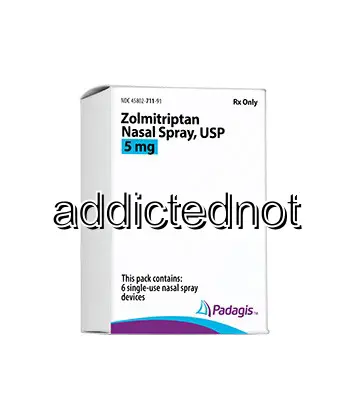
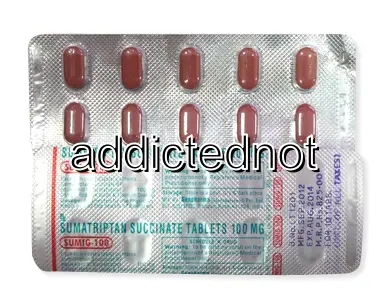
Common classes represented include simple analgesics and nonsteroidal anti‑inflammatory drugs such as paracetamol (acetaminophen), ibuprofen and naproxen for mild to moderate attacks; triptans such as sumatriptan, rizatriptan, zolmitriptan and eletriptan for moderate to severe attacks; ergot derivatives including dihydroergotamine; antiemetics like metoclopramide and domperidone to address nausea; newer acute agents such as gepants (rimegepant, ubrogepant) and ditans (lasmiditan); and preventive agents including beta‑blockers (propranolol, metoprolol), anticonvulsants (topiramate), certain antidepressants (amitriptyline) and monoclonal antibodies targeting CGRP (erenumab, fremanezumab, galcanezumab, eptinezumab).
These medicines are available in a range of formulations to match symptoms and individual needs: oral tablets and dispersible formulations, nasal sprays and inhaled preparations for rapid absorption or when vomiting occurs, subcutaneous and intravenous injections for rapid onset or in treatment‑resistant cases, and periodic subcutaneous or intravenous infusions for some preventive biologic therapies. Some options are available over the counter, while others require a prescription and, in some cases, administration in a clinical setting.
Safety profiles and potential interactions differ across classes. Triptans and ergot derivatives have vasoconstrictive properties and include warnings in their product information regarding certain cardiovascular conditions; some agents interact with particular classes of antidepressants or other migraine medicines. Side effects range from mild dizziness, fatigue or gastrointestinal upset to more specific effects tied to a drug class. Product labeling and regulatory information list contraindications, recommended dosing limits and monitoring considerations that vary by medicine.
When selecting a migraine medicine, users commonly weigh factors such as speed of onset, duration of effect, effectiveness for their particular symptom pattern (for example, presence of nausea or aura), side‑effect profile, ease of use and whether the product is available without a prescription. For preventive treatments, considerations also include dosing frequency, expected time to benefit, and how the medication fits with other long‑term health needs. Product information and professional guidance describe how each option is intended to be used and what outcomes can reasonably be expected.