📞  — free, 24/7
— free, 24/7 — free, 24/7Products for prevention, management and relief of urinary tract and bladder issues, including prescription and over-the-counter antiseptics and symptomatic treatments, cranberry and D‑mannose supplements, urinary pain relief, home test kits, incontinence supplies, and supportive hygiene.
Products for prevention, management and relief of urinary tract and bladder issues, including prescription and over-the-counter antiseptics and symptomatic treatments, cranberry and D‑mannose supplements, urinary pain relief, home test kits, incontinence supplies, and supportive hygiene.
Medicines grouped under Urinary Health address conditions that affect how the bladder, urethra and, in men, the prostate, store and release urine. This category covers treatments intended to reduce unwanted urgency and frequency, relieve difficulty in emptying the bladder, and calm painful bladder spasms. It is aimed at managing symptoms rather than routine screening or surgical treatment, and often complements non-drug approaches such as pelvic floor therapy or fluid management.
Common reasons people look for urinary health products include overactive bladder with sudden urges to urinate, urge or mixed urinary incontinence, symptoms of benign prostatic enlargement such as slow stream or incomplete emptying, and short-term bladder spasms following procedures. Some medications are used for chronic conditions that require ongoing management, while others may be prescribed for transient problems after surgery or an infection has been treated.
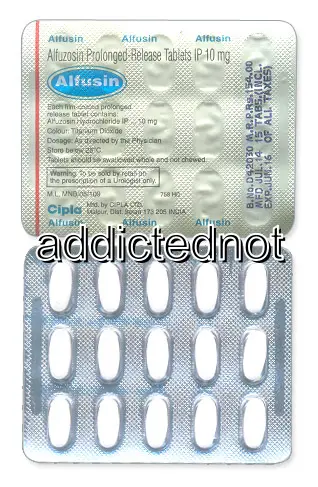
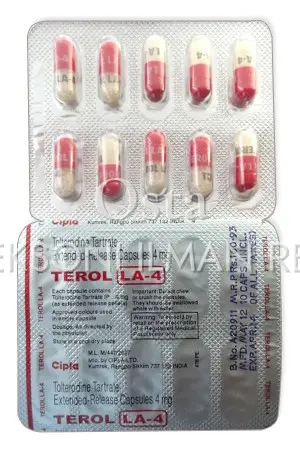
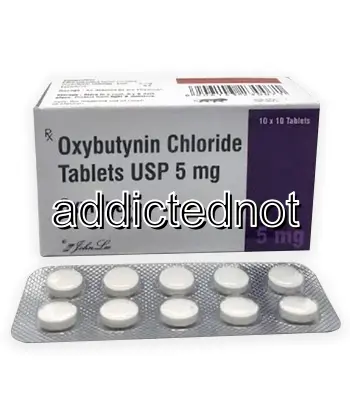
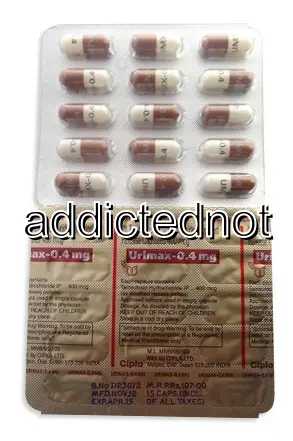
The types of medicines in this category work in different ways. Antimuscarinic agents relax bladder muscle and can reduce urgency and leakage; examples commonly prescribed include tolterodine and oxybutynin, the latter of which is also available as a topical patch in some formulations. Beta-3 agonists represent another class that helps the bladder store urine more comfortably. For bladder outlet obstruction related to prostate enlargement, alpha‑blockers help relax smooth muscle in the prostate and bladder neck; tamsulosin, alfuzosin and other agents in this group are frequently used. There are also antispasmodic drugs aimed at relieving bladder cramping and discomfort.
These medicines come in a variety of forms and dosing schedules to suit different needs: immediate‑release tablets for short-term control, extended‑release formulations for once‑daily dosing, transdermal patches for steady delivery, and capsules with specific release profiles. Some treatments may begin to relieve symptoms within days while others reach full effect over several weeks. Healthcare professionals typically consider symptom pattern, other medical conditions and current medications when recommending the most appropriate formulation and regimen.
General safety considerations include the possibility of side effects such as dry mouth, constipation, blurred vision, dizziness or lightheadedness, and changes in blood pressure. Because many urinary medicines affect nerve or muscle function, they can interact with other drugs or be unsuitable in the presence of conditions like certain types of glaucoma, uncontrolled urinary retention, or significant liver impairment. Reading the patient information leaflet and discussing potential interactions and contraindications with a pharmacist or prescriber helps reduce risk.
When choosing a urinary health medicine, people often weigh effectiveness for their particular symptoms against the likely side effects and the convenience of dosing. Factors such as whether a product is prescription-only or available without a prescription, the desire for a once‑daily pill versus a patch, and compatibility with other ongoing treatments are commonly considered. Asking a healthcare professional about expected timelines for improvement, monitoring needs, and simple strategies to combine medication with lifestyle measures can help users select an option that fits their daily life.