📞  — free, 24/7
— free, 24/7 — free, 24/7Medications, supplements and related products for prevention and treatment of osteoporosis and low bone density. Includes prescription bone-strengthening drugs (bisphosphonates, SERMs, parathyroid hormone analogs), calcium and vitamin D supplements, fracture risk management and bone-health support.
Medications, supplements and related products for prevention and treatment of osteoporosis and low bone density. Includes prescription bone-strengthening drugs (bisphosphonates, SERMs, parathyroid hormone analogs), calcium and vitamin D supplements, fracture risk management and bone-health support.
Osteoporosis medicines cover drugs and supplements that are used to influence bone strength and reduce the likelihood of fragility fractures. The category brings together products intended to slow bone loss, support bone formation, or provide the minerals and vitamin metabolites that bones need to stay mineralised. Content here is aimed at explaining the purpose and typical characteristics of these products so shoppers can recognise what they are and why they might be prescribed.
Common clinical situations behind use of these products include age-related bone thinning, bone loss after menopause, bone weakening associated with long-term use of certain medications such as corticosteroids, and treatment following a low-impact (fragility) fracture. Some people also take calcium and vitamin D preparations alongside other osteoporosis treatments to ensure adequate mineral availability for bone maintenance.
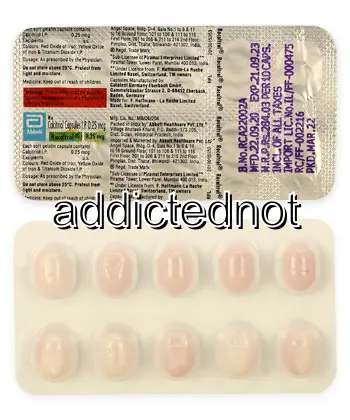
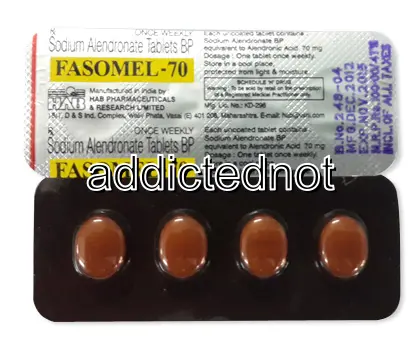
The medicines in this category fall into a few broad classes. Antiresorptive agents reduce the rate at which bone is broken down; a well-known example is alendronate, often seen under the familiar trade name Fosamax. Anabolic agents stimulate new bone formation. Vitamin D analogues and active vitamin D metabolites, such as alfacalcidol (sold as Alfacip) and calcitriol (sold under names like Rocatrol), support calcium metabolism and bone health. Basic mineral supplements such as calcium carbonate provide dietary calcium in tablet form and are frequently included among osteoporosis-related products.
Formulation and administration vary. Some medications are oral tablets taken daily or weekly, others are injectable or given as periodic infusions in a clinic setting, and supplements are typically taken orally on a daily basis. The choice of product, dosing frequency and delivery method depend on the active ingredient, the intended effect (reducing resorption vs promoting formation), and practical considerations such as swallowing ability or preference for a clinic-administered infusion.
Safety profiles differ by class. Bisphosphonates, for example, are associated with gastrointestinal irritation when taken orally and with uncommon but serious events reported after long-term use. Active vitamin D compounds and calcium supplements affect calcium metabolism and therefore have different laboratory considerations. Renal function, potential drug interactions and individual tolerance influence how these medicines are used. Rare adverse outcomes and differences in contraindications mean that risk–benefit considerations are an important part of product selection.
When browsing options, users commonly compare the active ingredient and its intended effect, dosing regimen (daily, weekly, monthly, single infusion), formulation (tablet, capsule, liquid, injection), and known side-effect profiles. Other practical factors include whether a product provides calcium or vitamin D as part of the formulation, any special storage or administration requirements, and whether monitoring is typically associated with the medicine. Product literature and prescribing information provide the formal details on indications and safety for each individual medicine.