📞  — free, 24/7
— free, 24/7 — free, 24/7Parkinson's disease medications and related pharmacy products for managing motor and non-motor symptoms, including levodopa formulations, dopamine agonists, MAO-B and COMT inhibitors, anticholinergics, transdermal patches and infusion pumps, plus information on dosing, interactions and common side effects.
Parkinson's disease medications and related pharmacy products for managing motor and non-motor symptoms, including levodopa formulations, dopamine agonists, MAO-B and COMT inhibitors, anticholinergics, transdermal patches and infusion pumps, plus information on dosing, interactions and common side effects.
Medications grouped under Parkinson's disease are aimed at managing the characteristic motor and some non-motor symptoms that arise from loss of dopaminergic neurons in the brain. These products are not a cure but are intended to reduce tremor, slowness of movement (bradykinesia), stiffness (rigidity) and related problems that affect daily activities. The category covers drugs used across different stages of the condition, from early symptom control to therapies for long-term motor complications.
Common use cases for these medicines include initial control of mild symptoms, more intensive treatment when mobility becomes impaired, and management of fluctuations that occur after years of therapy. Some medicines are started early to delay the need for higher doses of levodopa, while others are used to address motor complications such as “wearing-off” between doses or involuntary movements that can develop with prolonged levodopa use. Treatment plans are often adjusted over time to balance symptom control and side effects.
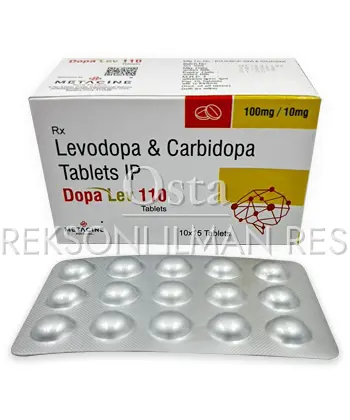
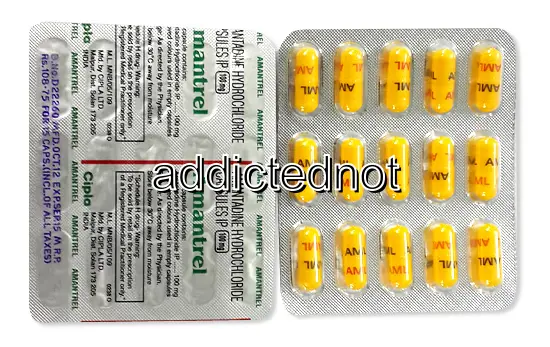
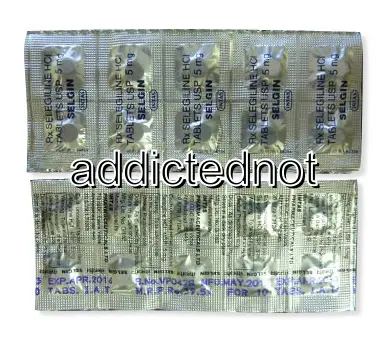
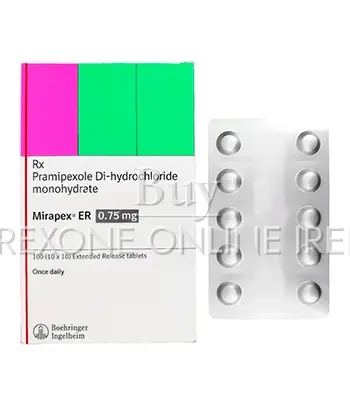
Several pharmacological approaches are represented in this category. Dopamine replacement therapy with levodopa combined with a decarboxylase inhibitor appears in formulations such as Sinemet and extended-release Sinemet CR, and combination products that add a COMT inhibitor are marketed under names like Stalevo. Dopamine agonists that mimic dopamine action include pramipexole (Mirapex), ropinirole (Requip) and older agents such as bromocriptine (Parlodel). Other classes present are MAO-B inhibitors like selegiline (Eldepryl), anticholinergic agents such as trihexyphenidyl (Artane) and procyclidine (Kemadrin), and amantadine (Symmetrel), which can have multiple effects on symptoms and movement complications.
Formulation and dosing characteristics vary and influence how medicines are used. Immediate‑release and controlled‑release preparations affect the steadiness of symptom control, and extended formulations are sometimes chosen to reduce fluctuations between doses. Combination tablets can simplify regimens by delivering more than one active component in a single product. Factors such as timing of doses relative to meals, pill frequency, and whether a product is designed for short‑term or long‑term use are typical considerations when selecting a preparation.
General safety considerations reflect the range of mechanisms in this class. Commonly reported effects can include gastrointestinal symptoms, dizziness and daytime sleepiness, and some agents are associated with psychiatric or cognitive effects such as hallucinations or confusion. Dopamine agonists have been linked to impulse control changes in some people, while anticholinergic drugs may cause dry mouth, blurred vision or memory difficulties. Interaction potential with other medicines and the need for monitoring of response and tolerability are important aspects of treatment management.
When comparing products in this category, users often evaluate how well a medicine controls particular symptoms, its likely side‑effect profile, the convenience of dosing schedules, and the availability of different formulations. The presence of generic options, routes of administration, and how a medicine fits with other ongoing treatments or health conditions are also commonly considered. Decisions about which option is appropriate are typically individualized based on symptom pattern, lifestyle needs and overall health status.