📞  — free, 24/7
— free, 24/7 — free, 24/7Medications and products for managing gout and acute attacks: pain relievers and anti-inflammatories, colchicine and corticosteroids for flare control, urate-lowering drugs (allopurinol, febuxostat), topical joint care and supplements aimed at lowering uric acid and preventing flares.
Medications and products for managing gout and acute attacks: pain relievers and anti-inflammatories, colchicine and corticosteroids for flare control, urate-lowering drugs (allopurinol, febuxostat), topical joint care and supplements aimed at lowering uric acid and preventing flares.
Gout is a common form of inflammatory arthritis caused by the buildup of uric acid crystals in and around joints. Medications related to gout are designed either to ease the intense pain and swelling of an acute attack or to change how the body handles uric acid so that future attacks are less likely. This category groups products that are used for these complementary goals, including short‑term treatments for flare management and longer‑term therapies aimed at lowering blood uric acid levels and reducing crystal formation.
Short‑term use often focuses on rapidly reducing inflammation and discomfort during an acute episode. Anti‑inflammatory agents that are commonly prescribed for flare control work by interrupting the inflammatory response triggered by urate crystals, helping to relieve pain, swelling and reduced joint function. Other drugs in this group may be used to manage symptoms when nonsteroidal anti‑inflammatory drugs (NSAIDs) are not suitable, though NSAIDs themselves are frequently part of flare management plans and may be discussed with a prescriber.
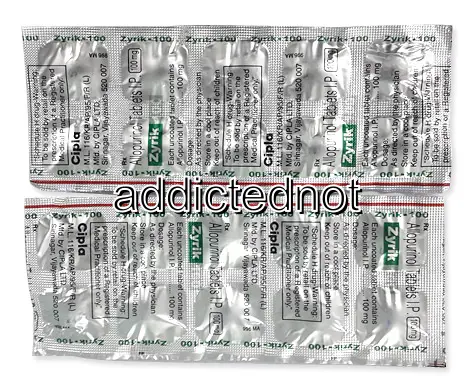
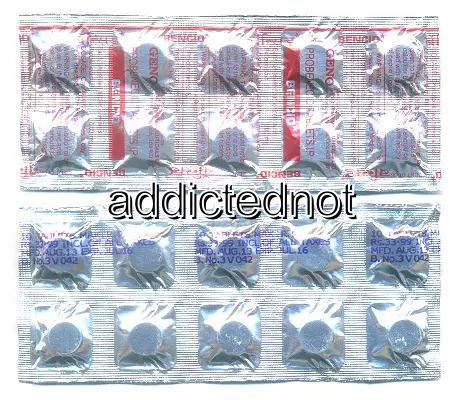
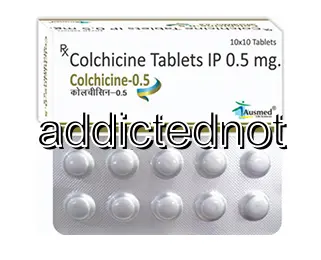
Longer‑term therapy targets the underlying tendency to form uric acid crystals by lowering blood urate concentrations or increasing uric acid excretion. Xanthine oxidase inhibitors reduce the body’s production of uric acid, while uricosuric agents increase renal excretion. There are also anti‑inflammatory medicines used at lower doses for flare prevention when urate‑lowering therapy is started. Well‑known medicines associated with these approaches include allopurinol, which is a widely used xanthine oxidase inhibitor (Zyloprim being a familiar trade name), probenecid which acts as a uricosuric agent (often recognized by the name Benemid), and colchicine, an antimitotic drug used to decrease inflammation during flares and sometimes in prevention (Colcrys is a common brand name). These examples illustrate the different mechanisms used to manage gout over both the short and long term.
Safety and tolerability vary across these medicines. Gastrointestinal side effects are commonly reported with some anti‑inflammatory agents, and colchicine can cause nausea, diarrhea or other digestive symptoms at higher doses. Xanthine oxidase inhibitors may occasionally cause hypersensitivity reactions or affect liver function in susceptible individuals, and uricosuric drugs can increase the risk of uric acid kidney stones in some people. Because many gout medicines interact with other drugs and are processed differently when kidney or liver function is reduced, considerations about other health conditions and current medications are important when choosing a product.
Laboratory monitoring and treatment planning are commonly associated with gout medication use. Blood tests that measure uric acid levels and assess kidney and liver function are used by clinicians to evaluate how well a urate‑lowering strategy is working and whether dose adjustments are necessary. Some therapies have dosing limits or require gradual introduction to reduce side effects; others may be switched or combined under professional supervision to achieve target uric acid levels without causing unwanted reactions. Availability varies by formulation and local regulation, and many of the more potent gout treatments are prescription medicines rather than over‑the‑counter options.
When people compare treatments, practical factors tend to guide their choices: whether the goal is immediate relief or long‑term prevention, how quickly a medicine works, how it is taken (once daily versus multiple times), the potential for side effects and interactions, and the need for periodic blood testing. Information about a medicine’s mechanism of action, expected time to benefit, and typical tolerability can help set expectations, while regulatory status and product forms influence accessibility. Clear, factual information about each option supports informed decisions about which type of therapy aligns with an individual’s needs and circumstances.