📞  — free, 24/7
— free, 24/7 — free, 24/7Medications used to prevent and treat parasitic infections caused by protozoa, helminths and ectoparasites. Includes oral and topical agents for conditions such as malaria, giardiasis, intestinal worms, scabies and lice, available in prescription and OTC formulations.
Medications used to prevent and treat parasitic infections caused by protozoa, helminths and ectoparasites. Includes oral and topical agents for conditions such as malaria, giardiasis, intestinal worms, scabies and lice, available in prescription and OTC formulations.
Antiparasitic medicines are drugs designed to treat infections caused by organisms that live on or inside the human body and rely on a host to survive. These products target a broad range of parasites, including single-celled protozoa, multicellular worms (helminths), and external parasites such as mites and lice. The term covers both systemic treatments taken by mouth and topical agents applied to the skin or scalp, reflecting the varied life cycles and locations of different parasites.
Common use cases for antiparasitic medicines include clearing intestinal worm infections, treating tissue-invasive parasites, addressing protozoal infections of the gut or bloodstream, and managing skin infestations. People may encounter parasites through contaminated food and water, insect bites, close contact with infected individuals or animals, travel to areas with different endemic organisms, or inadequate sanitation. Some infections are acute and symptomatic, while others may be chronic or subclinical and discovered during routine testing.
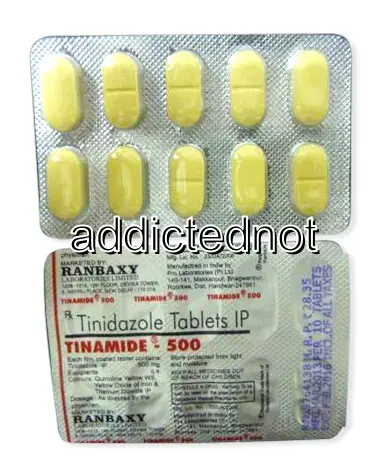
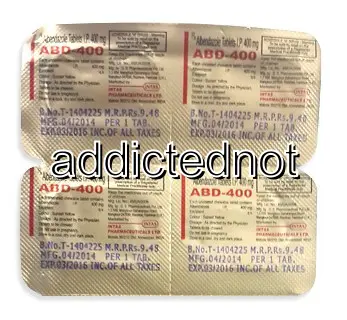
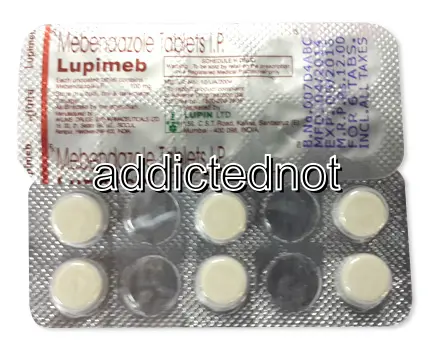
Medications in this category are grouped by which parasites they target and how they work. Anthelmintics such as albendazole and mebendazole are widely used against roundworms, hookworms and other intestinal helminths; praziquantel is commonly used for tapeworms and schistosomal infections; ivermectin treats a range of parasitic worms and certain external parasites. Nitromidazole agents like tinidazole address some protozoal infections. Treatments can be single-dose tablets, multi-day oral courses, or topical formulations depending on the condition.
Safety considerations are an important aspect of antiparasitic therapy. Like all medicines, these drugs can cause side effects that range from mild and transient to more significant, and they may interact with other medications or be unsuitable in certain physiological conditions such as pregnancy or severe liver disease. Age, weight, underlying health status and the specific parasite involved influence the choice of agent and formulation. Information provided with each product and professional sources typically describe contraindications, common adverse effects and monitoring considerations.
When people choose an antiparasitic medicine they commonly consider the specific parasite being treated, the recommended route of administration, dosing convenience, and the expected duration of therapy. Other factors include whether a single dose or a longer course is required, availability of formulations suitable for children, potential side effects and interactions, and whether follow-up testing or retreatment is usually part of the care pathway. Prescription status versus over-the-counter availability also affects selection and access in different regions.
Products vary not only by active ingredient but also by regulatory approvals, generic versus proprietary formulations, and recommended storage conditions. Topical agents for lice and scabies differ from systemic tablets used for intestinal or tissue parasites, and shelf life or special storage (for example, protection from extreme heat) can be noted on packaging. Quality and authenticity are important considerations in purchasing, and many regions require regulatory review before a product can be marketed for human use.
Awareness of the type of parasite, how the medicine is administered, and what safety information accompanies a product helps consumers navigate options within the antiparasitic category. Familiar names that are commonly associated with these treatments include albendazole (often sold under various labels), praziquantel, ivermectin, tinidazole and mebendazole, each of which is used for specific parasitic conditions. Clear product information and reliable sources are useful for understanding which kinds of agents are relevant to a particular situation.