📞  — free, 24/7
— free, 24/7 — free, 24/7| Package | Price per Dose | Price | |
|---|---|---|---|
| 360 pills | €0.84 | €429.86 €300.91 Free shipping | |
| 180 pills | €1.11 | €285.85 €200.10 Free shipping | |
| 120 pills | €1.25 | €214.92 €150.45 | |
| 90 pills | €1.41 | €182.68 €127.88 | |
| 60 pills | €1.61 | €137.54 €96.28 | |
| 30 pills | €1.85 | €79.51 €55.66 | |
| 180 pills | €1.62 | €419.12 €293.38 Free shipping | |
| 120 pills | €1.87 | €320.24 €224.17 Free shipping | |
| 90 pills | €2.06 | €264.38 €185.07 Free shipping | |
| 60 pills | €2.30 | €197.73 €138.41 | |
| 30 pills | €2.60 | €111.75 €78.22 | |
| 180 pills | €1.93 | €494.35 €346.04 Free shipping | |
| 120 pills | €2.15 | €369.68 €258.78 Free shipping | |
| 90 pills | €2.44 | €313.80 €219.66 Free shipping | |
| 60 pills | €2.71 | €232.12 €162.48 | |
| 30 pills | €3.05 | €131.09 €91.77 |
Disclaimer: This page provides general information about Medrol Active. It is not a substitute for professional medical advice.
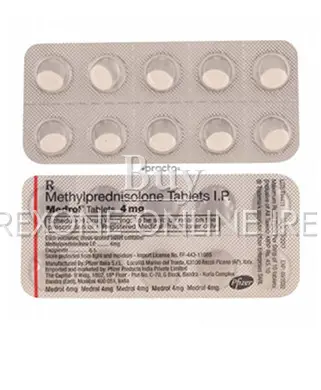
Medrol Active is a medicine that contains methylprednisolone, a type of corticosteroid. It works by reducing inflammation and suppressing the immune response in the body.
Medicines like Medrol Active can be prescribed for a range of conditions where inflammation or immune activity plays a part. The exact form, strength and duration of treatment depend on the condition being treated and individual factors.
The product may be available by prescription in some settings, depending on local rules. Always follow the instruction provided by your clinician or the information leaflet that accompanies the medicine.
The information here is intended to support you and your healthcare team. Do not use Medrol Active to treat a condition for which it has not been prescribed. If you have questions about why this medicine has been prescribed for you, ask your doctor or pharmacist.
For safety and effectiveness, Medrol Active should be stored as advised on the product packaging and leaflet. If the appearance of the tablets or container changes, contact your pharmacist for guidance.
Medrol Active is used to treat a variety of inflammatory and immune-related conditions. It can help relieve symptoms such as swelling, redness, pain and itching when these are caused by excessive immune activity or inflammation.
It may be prescribed as a short course to control an acute flare or as part of a longer treatment plan for chronic conditions. Your clinician will determine whether Medrol Active is appropriate for you and how long you should take it.
Common situations in which a corticosteroid like Medrol Active might be used include conditions affecting joints, skin, eyes, lungs and certain autoimmune disorders. It can also be used in some emergencies to reduce swelling of the brain or spinal cord, or to support other treatments in complex illnesses.
Medrol Active should only be used under medical supervision. If you have questions about whether this medicine is suitable for a specific condition, discuss this with your healthcare professional. Do not use it to treat infections unless advised by a clinician.
Because the suitability and dosing depend on the condition, your doctor or pharmacist can provide information tailored to your situation. If you are seeing multiple healthcare providers, share information about all medicines you take to avoid interactions or duplications of therapy.
Methylprednisolone belongs to a class of medicines known as corticosteroids. It reduces the activity of the body's immune system and lowers the production of substances that cause inflammation.
By dampening inflammatory processes, Medrol Active can help decrease swelling and pain and may improve function in affected areas. It also helps stabilize the body's immune response in certain conditions where this response is overactive.
The effects of treatment can depend on the dose used, the duration of therapy and individual response. Some people notice improvement quickly, while for others it may take longer to see a noticeable effect.
Because Medrol Active alters immune function, it can increase the risk of infections or make them harder to treat in some people. Your clinician will weigh the benefits and risks before starting therapy and monitor you during treatment.
In some cases, Medrol Active is used as part of a broader treatment plan that includes other medicines, lifestyle measures or procedures. Always follow your clinician’s instructions about how to use this medicine within the overall plan. If you have concerns about how the medicine works in your particular condition, ask your pharmacist or doctor for explanation.
Medrol Active should be taken exactly as prescribed. Do not change the dose or stop taking it without discussing this with your clinician, even if you feel well.
Take Medrol Active with food or after a meal if stomach upset occurs. Swallow tablets whole with a glass of water unless your doctor has told you to crush or dissolve them. If you are using a different form, follow the specific instructions for that form.
In some situations, doses are taken once daily, while in others several doses per day are required. The timing and duration will depend on the condition being treated. Do not take more tablets than instructed by your clinician.
If you miss a dose, take it as soon as you remember unless it is almost due for your next dose. Do not double the next dose to make up for a forgotten one. If you are unsure what to do, contact your pharmacist or doctor for guidance.
Sudden stopping after a period of use can cause withdrawal symptoms or a flare in symptoms. If your doctor plans a tapering schedule, follow it exactly and discuss any concerns with them. Keep all follow-up appointments to review your response to treatment and any side effects.
Store Medrol Active in its original packaging, protected from moisture and heat, at room temperature unless instructed otherwise. Keep it out of reach of children. Do not use after the expiry date printed on the packaging.
Tell your clinician if you have had an allergic reaction to methylprednisolone or to similar corticosteroids in the past. Allergic reactions can be serious and require immediate medical attention.
Medrol Active may not be suitable for everyone. People with certain infections, particularly active fungal infections, may need alternative treatments unless the infection is controlled. Live vaccines may be affected by corticosteroid therapy.
Let your doctor know if you are pregnant, planning pregnancy or breastfeeding. In pregnancy and early development, the benefits and risks must be weighed carefully, and therapy should be used only when clearly needed. Breastfeeding while taking Medrol Active should be discussed with a healthcare professional.
Discuss underlying medical conditions with your clinician. Conditions such as diabetes, high blood pressure, bone problems (including osteoporosis), ulcers, eye diseases, mood or mental health issues, kidney or liver disease, or a history of severe infections may influence how Medrol Active is used.
Medrol Active can interact with other medicines. Always tell your healthcare team about all medicines you take, including non-prescription drugs, vitamins and herbal products. Your clinician can determine whether any adjustments are necessary for your situation.
Long-term use of corticosteroids can be associated with a number of side effects or complications. Your clinician will monitor you for signs of these problems and adjust the treatment if needed.
Medrol Active can suppress the immune system, increasing the risk of infections. Seek urgent medical help if you develop fever, severe sore throat, or signs of unusual infections while taking this medicine.
High blood pressure, changes in blood sugar, fluid retention and mood changes are possible with corticosteroids. If you notice persistent swelling, rapid weight gain, trouble sleeping or mood swings, contact your clinician.
Skin and soft tissue changes, thinning of bones (osteoporosis), and in some cases growth suppression in children can occur with prolonged use. Your doctor may arrange monitoring or preventive measures as appropriate for your situation.
Eye effects such as increased intraocular pressure or cataracts can develop with long-term therapy. Routine eye examinations may be advised during extended treatment. If you notice visual disturbances, report them promptly to a healthcare professional.
Do not receive certain vaccines while on corticosteroid therapy unless advised by your doctor. If vaccination is needed, discuss the timing and safety with your clinician.
All medicines can cause side effects in some people. Many people tolerate Medrol Active well, but you may experience some of the following common effects.
Digestive symptoms such as upset stomach, indigestion or heartburn can occur. Taking the medicine with food may help. If stomach pain or persistent indigestion continues, speak with your pharmacist or doctor.
Increased appetite, weight gain or fluid retention can occur. Regular physical activity and a balanced diet may help manage these effects, as advised by your healthcare team.
Sleep disturbances, mood changes or feelings of emotional lability have been reported by some people. If these symptoms are troubling or persistent, discuss them with your clinician.
Skin changes, including acne or thinning skin, may occur with some regimens. Your clinician can provide strategies to manage these effects if they arise.
Less common side effects may include headaches, dizziness, changes in menstrual periods or temporary hair growth changes. Contact a healthcare professional if you notice anything unusual or concerning.
If you experience signs of a serious reaction such as severe rash, swelling of the face or lips, difficulty breathing, or signs of an infection that does not improve, seek urgent medical help. This list of side effects is not exhaustive; tell your pharmacist or doctor about any unusual symptoms you experience while taking Medrol Active.
Medrol Active can interact with other medicines, which may either increase the risk of side effects or reduce how well one or both medicines work. Always tell your healthcare professional about all medicines you take.
Some medicines and vaccines may interact with corticosteroids. This can include certain antifungals, anticonvulsants, antibiotics, non-steroidal anti-inflammatory drugs (NSAIDs), and blood pressure or diabetes medicines. Your clinician can assess potential interactions and may adjust doses or timing accordingly.
Avoid starting or stopping medicines without consulting your clinician, especially if you use anticoagulants, diabetes medicines, or medicines that affect the immune system. Some herbal products and supplements can also interact with corticosteroids.
If you are due for vaccines or have recently received vaccination, discuss the timing with your doctor. They can advise on the safety and appropriateness of immunisation during Medrol Active treatment.
Keep a current list of all medicines you take and share it with every healthcare provider you see. If you notice new or unusual symptoms after starting Medrol Active, contact your clinician to review possible interactions.
The safety of Medrol Active during pregnancy depends on the balance of benefits and risks for the mother and developing baby. Such decisions are made by the treating clinician after careful consideration. If you are pregnant or planning pregnancy, talk with your doctor before starting this medicine.
Breastfeeding while using Medrol Active should be discussed with a healthcare professional. The medication may pass into breast milk and could affect a nursing infant. Your clinician can advise whether to continue breastfeeding or adjust the treatment plan.
In general, corticosteroids are prescribed during pregnancy only when the potential benefit justifies any potential risk to the fetus. If you become pregnant while taking Medrol Active, inform your obstetrician and your pharmacist promptly.
If you are planning to become pregnant, or if you are unsure about using Medrol Active during pregnancy, seek guidance from your healthcare provider. Do not stop taking the medicine abruptly without professional advice.
For breastfeeding mothers, discuss whether the medicine should be continued or modified. Some infants may be more susceptible to adverse effects, depending on exposure and duration of therapy.
The time to see benefits can vary by condition and individual response. Some people notice improvement within hours to a few days, while others may take longer. If there is no noticeable improvement after several days, contact your clinician for advice.
If you realise you missed a dose, take it as soon as you remember, unless it is almost time for your next dose. Do not double the dose to make up for a missed one. If you are unsure what to do, contact your pharmacist or doctor for guidance.
Medrol Active is often used as part of a broader treatment plan. Your clinician will advise how to combine it with other medicines, therapies or lifestyle measures. Do not start or stop other treatments without checking with your doctor.
Seek medical advice if you develop signs of infection, experience severe side effects, or if symptoms persist or worsen despite treatment. Also contact a clinician if you notice unusual bleeding, new vision problems, or significant mood changes.
Some regimens require a taper to avoid withdrawal symptoms or a flare in your condition. Do not stop abruptly unless instructed by your clinician. Your plan may include a step-down schedule or shorter courses of therapy.
Alcohol can increase stomach irritation and may interact with how the medicine affects you. Discuss alcohol use with your pharmacist or doctor, who can give guidance based on your overall treatment plan.
While taking corticosteroids, some vaccines may not work as well or could have different risks. Do not start new vaccines without consulting your clinician. Live vaccines are often discussed carefully in the context of steroid therapy.
Corticosteroids can affect blood sugar levels in some people. Your clinician may monitor glucose levels more closely or adjust diabetes medicines if you are taking Medrol Active. Do not adjust diabetes therapy without medical advice.
There is no universal dietary restriction with every patient, but maintaining a balanced diet can help manage potential weight gain, fluid retention and blood pressure changes. If you have specific concerns, ask your pharmacist for dietary guidance related to your treatment.
Allergic reactions to medications, including Medrol Active, require urgent medical assessment. If you notice swelling of the face, lips or tongue, skin rashes with trouble breathing, seek immediate medical help.
Corticosteroids can affect growth and development in children if used for a long time. A clinician will weigh risks and benefits and monitor growth and development during treatment. If you have concerns about a child’s therapy, discuss them with the child’s doctor.
If urgent treatment with a corticosteroid is needed during pregnancy or breastfeeding, the clinician will use the smallest effective dose for the shortest possible time, with careful monitoring. Always inform the treating team about pregnancy or breastfeeding status before starting a new medication.
14–21 days. Free from €177.95 .
5–9 days. €26.69
−10% when paying with cryptocurrency.
−10% on all repeat orders.
All orders are packed in neutral, unbranded boxes with no product name on the outside.