📞  — free, 24/7
— free, 24/7 — free, 24/7Medications and diagnostic tools for managing thyroid conditions such as hypothyroidism, hyperthyroidism, goiter and autoimmune thyroiditis. Includes prescription hormone replacements, antithyroid drugs, supplements, dosing aids and monitoring supplies.
Medications and diagnostic tools for managing thyroid conditions such as hypothyroidism, hyperthyroidism, goiter and autoimmune thyroiditis. Includes prescription hormone replacements, antithyroid drugs, supplements, dosing aids and monitoring supplies.
Medications in the Thyroid category are those that affect the body's thyroid hormone balance, replacing or supplementing hormones that the thyroid gland normally produces. The thyroid gland helps regulate metabolism, energy use, and many other bodily processes through hormones commonly called T3 and T4. Products in this category are formulated to restore or adjust hormone levels when the gland is underactive, altered by surgery, or affected by disease.
These medicines are most commonly used for conditions that result in reduced thyroid function, where hormone replacement is needed to relieve symptoms and normalize laboratory measurements. They may also be used after surgical removal of the thyroid gland, during follow‑up for certain thyroid cancers, or in situations where temporary or long‑term hormone support is recommended by a healthcare professional. Use is typically tailored to the individual’s clinical situation and may change over time.
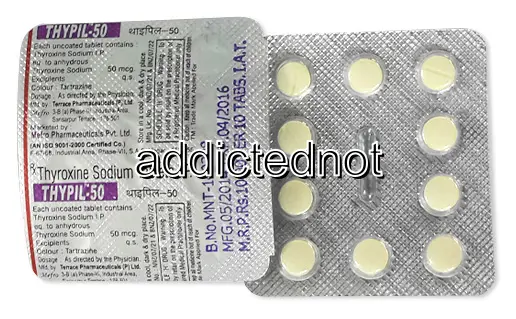
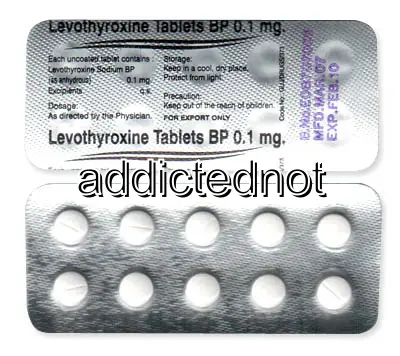
Different therapeutic options are available, reflecting the main active thyroid hormones. Levothyroxine products provide synthetic T4, which the body can convert to the active T3 as needed. Liothyronine products supply synthetic T3 directly. Some patients use T4-only therapy, others may be prescribed T3 alone or a combination of T4 and T3, depending on clinical judgment. Examples of commonly known medicines associated with these hormones include Synthroid and Levothroid (levothyroxine formulations) and Cytomel (liothyronine), offered in various strengths and formulations.
Formulations include standard tablets, soft-gel capsules, liquid preparations, and, in some clinical settings, injectable forms. Differences in formulation can affect factors such as dissolution and handling, which is why formulation choice and dose strength are part of individualized treatment planning. Because hormone replacement aims to achieve a stable, physiologic level, consistent use of a chosen formulation and strength is often emphasized by prescribers and pharmacists.
General safety considerations for thyroid medications relate to the need for individualized dosing and periodic assessment. Too little replacement can leave symptoms of underactive thyroid, while too much hormone can produce effects associated with over-replacement; both situations typically require reassessment by a healthcare professional. Interactions with other medicines, supplements, or certain foods can influence absorption or effects, and special circumstances such as pregnancy, significant weight change, or major illness can necessitate dose reassessment by the treating clinician.
When selecting a thyroid medicine, users commonly focus on dose availability, formulation type, perceived reliability of effect, and whether a branded or generic option is appropriate for them. Other practical considerations include product stability, ease of swallowing, clear labeling for dose strength, and access to pharmacy services for refills or questions about substitution. Because treatment is typically ongoing, many people also value consistent supply and clear communication from their pharmacy about any changes to the product dispensed.